
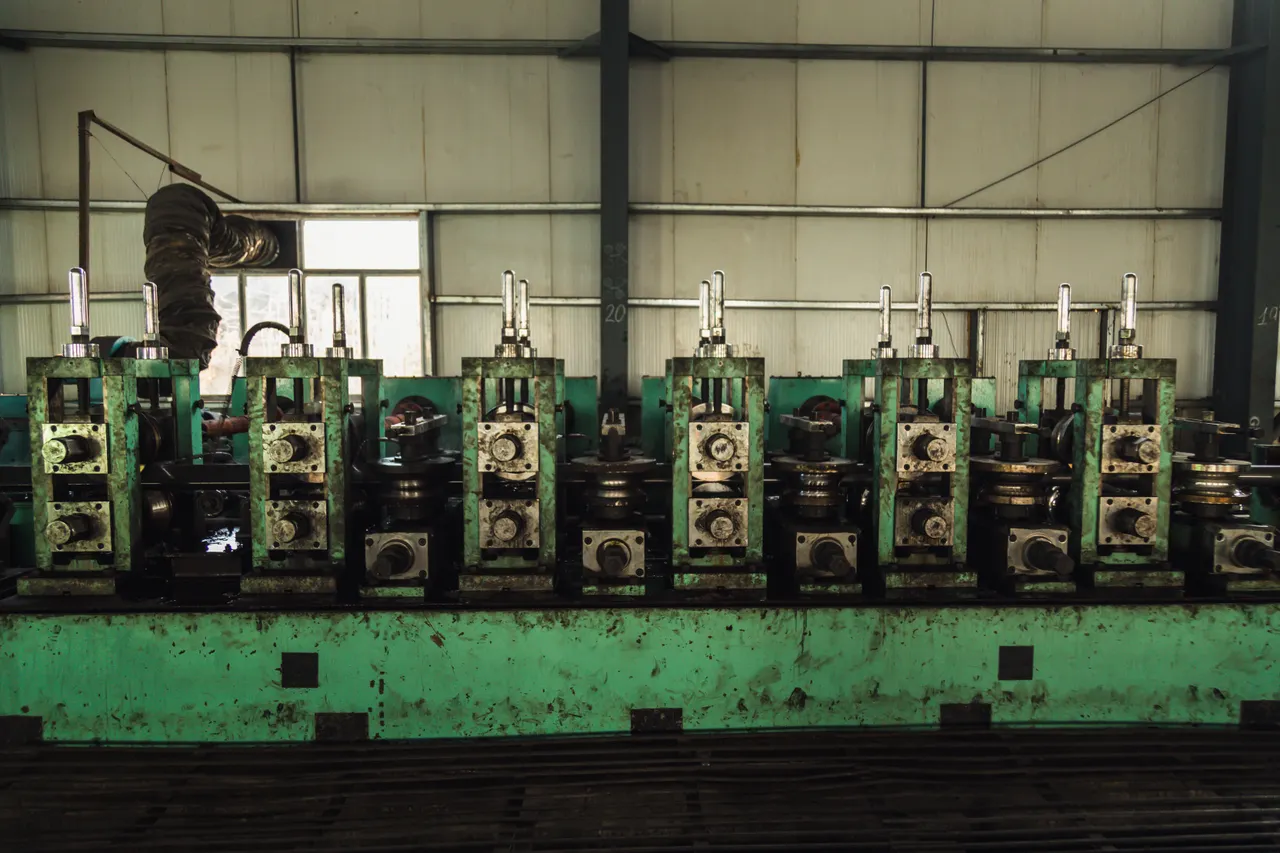
Typical equipment
Identify the circuit served by the pump: the machine may have separate drives for its main and auxiliary functions.
What the hydraulic system does
Hydraulic actuators can support positioning and force-producing functions in industrial equipment. The application name alone does not specify the fluid, pressure or operating duty.
Illustrative sequence only; the actual machine cycle and control system may differ.
Pump selection checks
Positioning, handling and pressing · Check fluid, temperature and running hours
Which fluid is specified?
Give the exact fluid designation, especially for fire-resistant fluids. Check the pump and seal requirements against it.
How long is each operating stage?
List running hours, load peaks and rest periods. Keep continuous duty separate from intermittent peaks.
What does the site require?
Include inspection records, site conditions and project documentation requirements with the inquiry.
- Identify environmental and fluid requirements explicitly.
- State whether the duty is continuous, cyclic or intermittent.
- List any site-specific inspection and documentation requirements.
Check the required operating points against the pump document, then compare the shaft, mounting, rotation and ports.
Compare the product details
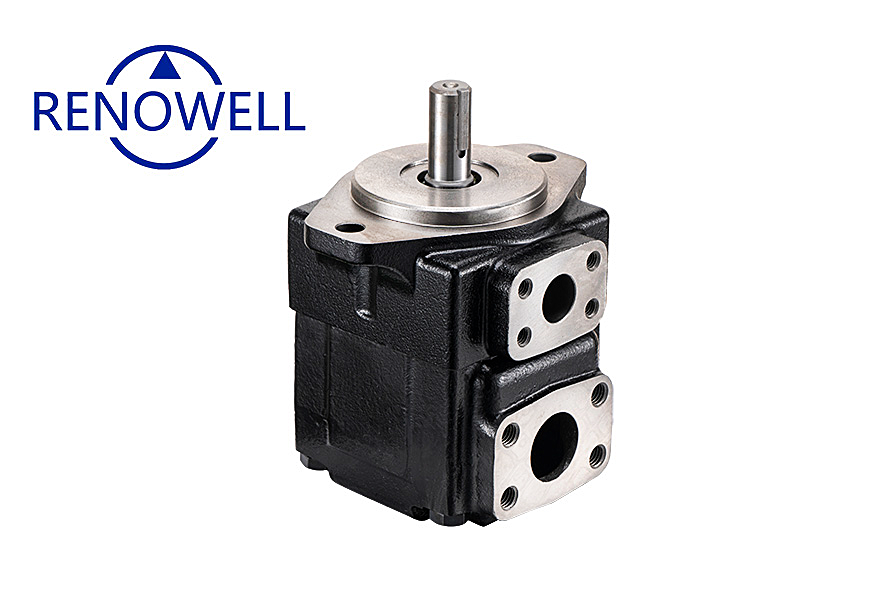
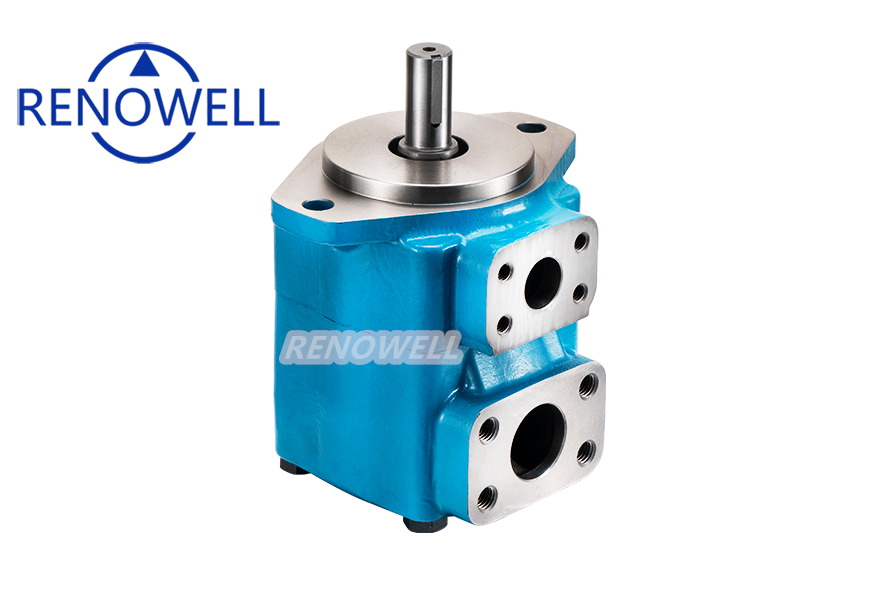
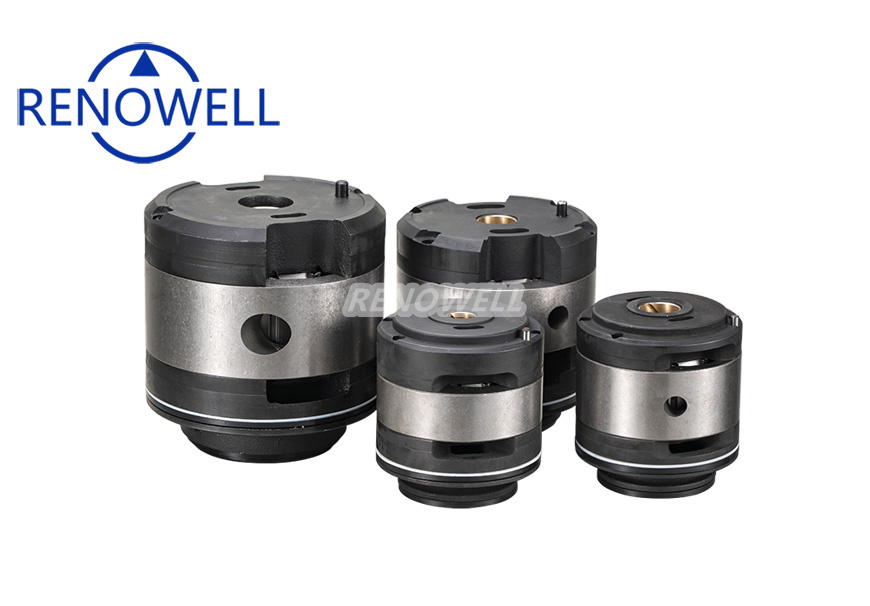
Use the catalog photos to identify the series, then open its drawings and technical data. Final selection depends on the machine specification.
Send your machine requirements
Provide the equipment specification and required fluid. Special fluids or site requirements must be checked for the exact product; do not assume compatibility from a series name.
Include the required quantity, destination and delivery expectations. For a replacement, add the old pump’s nameplate and photographs of the installation.
Discuss your application ›These guides describe typical circuits. They are not customer case studies or equipment approvals.